The Problem: Social Media Gold Is Hidden in Plain Sight
If you're an indie hacker or running a digital agency, potential clients are out there right now—talking about their problems on Reddit, asking for recommendations on Instagram. But finding those conversations manually? That's hours of scrolling through irrelevant posts. Enterprise tools like Brandwatch cost $1,000-10,000/month (overkill for most of us), while budget tools cap you at 20K-60K mentions per month. You're either drowning in data or missing opportunities entirely.
We needed something in the middle: professional features, actionable insights, without the enterprise price tag.
What We Built
Overheard monitors Reddit and Instagram for mentions of your keywords, analyzes sentiment with AI, and alerts you in real-time so you never miss an opportunity to engage. But here's what makes it different—it's not just another monitoring dashboard.
The core innovation is what we call the Feed workflow. Instead of showing you an overwhelming list of mentions, Overheard transforms them into a task management system. Each mention has a status: New (bold, prominent), Replied (you've engaged), or Not relevant (dismissed). You process your feed like an inbox—filtering by platform, sentiment, tags, and date—then use keyboard shortcuts to fly through mentions in minutes.
Two features specifically designed for speed:
- 6-dimension filtering: Multi-select filters for platform, status, tags, date range, keyword, and sentiment. You can see "New + Replied" mentions simultaneously, or drill down to "Priority-tagged Instagram posts from last 7 days with negative sentiment." Filters persist, so your workflow stays consistent.
- Keyboard shortcuts: Power users can mark mentions as replied (
r), not relevant (n), add priority tags (p), and navigate (j/k) without touching the mouse. We measured this internally: processing 15-20 mentions takes 15-20 minutes instead of an hour of manual searching.
Join the waitlist at tryoverheard.com.
How We Built It (The 5-Day Sprint)
Tech stack: Next.js 15, Supabase (database + auth + real-time), BullMQ + Redis (job queues), Claude API (sentiment analysis), Reddit official API, and Apify for Instagram scraping. Hosted on Vercel for the frontend, Railway for background workers.
We broke the entire build into a single, intense five-day sprint with daily goals:
Days 1-2: Foundation & Data Ingestion. We kicked off with the non-negotiables: Supabase auth, a solid database schema with Row Level Security, and the basic dashboard layout. At the same time, we integrated the data sources. Reddit's official API was straightforward ($25-50/month), but Instagram required expensive scraping via Apify ($200-500/month). We made the call to absorb the cost to get to the core value proposition faster.
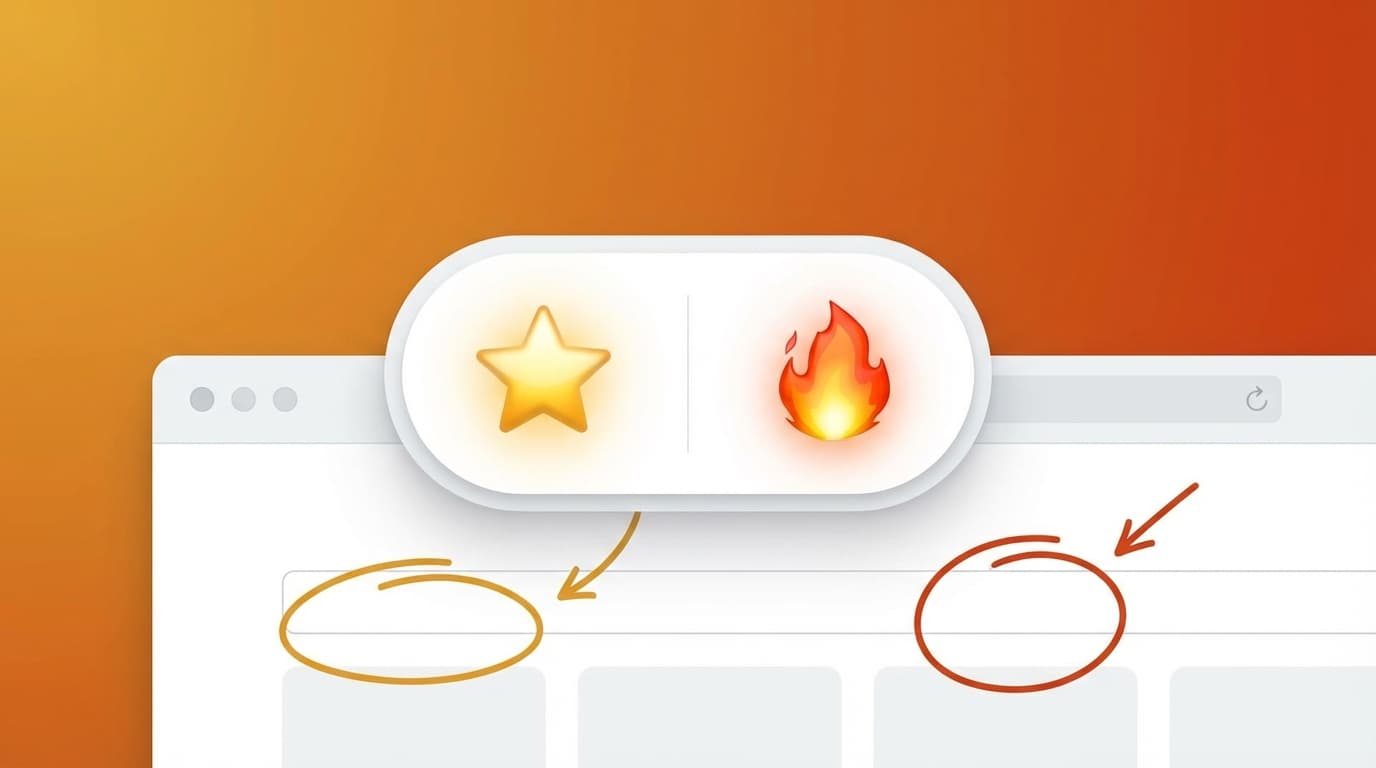
Days 3-4: Building the "Action Engine". This is where Overheard became Overheard. We built the entire Feed workflow: the status system (New/Replied/Not relevant), tags (Priority ⭐), and the powerful 6-dimension FilterBar. We integrated the Claude API for AI sentiment analysis (~$0.003 per mention) and wired up real-time updates via Supabase subscriptions. The filtering logic was complex, but persisting state to localStorage and debouncing updates made it feel snappy.
Day 5: Polish, Polish, Deploy. The final stretch was all about making it feel professional. We added keyboard shortcuts, bulk actions, email/Slack notifications, and a simple analytics dashboard with Recharts. After implementing loading skeletons, empty states, and error boundaries, we ran our final tests and deployed. From idea to live product in 5 days.
What Went Well (And What Didn't)
The wins:
- Feed workflow focus. We could've built a standard monitoring dashboard, but focusing on status-based task management created a genuine competitive advantage. Traditional tools show you data. Overheard shows you what to do with the data.
- Real user testing. We're using Overheard internally at Precode to track keywords like "5-day UX sprint" and "MVP development." Eating our own dog food validated the concept immediately—we found actual leads in the first week.
- Modern stack. Next.js 15 with App Router and Supabase enabled rapid feature delivery. Real-time updates and authentication "just worked."
The challenges:
- Next.js 15 compatibility issues. We hit several client/server component bugs early on. Had to carefully mark components with "use client" and restructure a few server actions. Cost us about half a day of debugging.
- Filter complexity. Building 6-dimension multi-select filtering that felt intuitive took longer than expected. We went through three iterations before landing on the current design with clear chips and a "Clear all filters" button.
- Cost management. Instagram scraping at $200-500/month is expensive. We added usage monitoring early but realized we'll need smart polling strategies (e.g., only check high-value keywords frequently) to keep costs reasonable at scale.
What we'd do differently:
- Start with Twitter—if we could. Unfortunately, Twitter's API costs $5,000/month minimum, which is absurd for an MVP. We'd have prioritized it if pricing were reasonable because Twitter is where a lot of indie hacker conversations happen.
- Language filtering from day one. We added English-only filtering after the first week after realizing non-English mentions created noise. Should've built this from the start.
- Reply tracking. We don't yet track if someone responded back to your reply. That's a planned feature, but in hindsight, it should've been MVP scope.
Why This Matters for MVP Development
This is how we approach client projects at Precode: identify the core competitive advantage (Feed workflow, not just monitoring), build it in a focused, rapid sprint, validate with real usage, then iterate. We didn't spend months on perfect UI polish or build every possible feature—we shipped a working product in 5 days and learned from actual usage.
Our process, even when compressed into five days, follows a clear path: start with a solid foundation, deliver the core value, build the competitive differentiator, and then add the polish that makes it feel professional. This focused approach is what allows for such rapid development without accumulating technical debt.
Most importantly, we're validating before building more. We're tracking Precode keywords internally for the next 2-3 weeks. If we find 5-10 solid leads using Overheard, we'll add billing and launch it as a SaaS. If the false positive rate is too high or the efficiency metrics don't hit target, we'll iterate. No fabricated success stories—just real data guiding the next build phase.
Join the Waitlist
Overheard is currently in a private beta. You can join the waitlist at tryoverheard.com to get early access as we roll out invites.
Following along with the 52 Products in 52 Weeks challenge? Drop a comment or follow us on Twitter for weekly build updates. And if you're considering an MVP sprint for your own idea, let's chat—this is exactly how we approach client projects.